


For an agency, the app is not the whole deliverable. The real deliverable is a system a client can live with after launch, and that is where many vibe coding tools fall apart. Client work raises the stakes on maintainability, code ownership, permissions, and whether simple edits can happen without calling the original builder.
Closely related: the client portals ranking.
We ranked these tools by what survives real use, not demo speed. That means secure auth, durable data models, sane handoff, and a realistic path for edits in month six. The prompt-to-app market moves fast, but research is a useful brake on the hype: studies show about 45% of AI-generated code samples contain OWASP Top 10 security issues. For agency delivery, that matters more than shaving an hour off a prototype.
1. Softr - the visual handoff that holds up
 Softr homepage snapshot
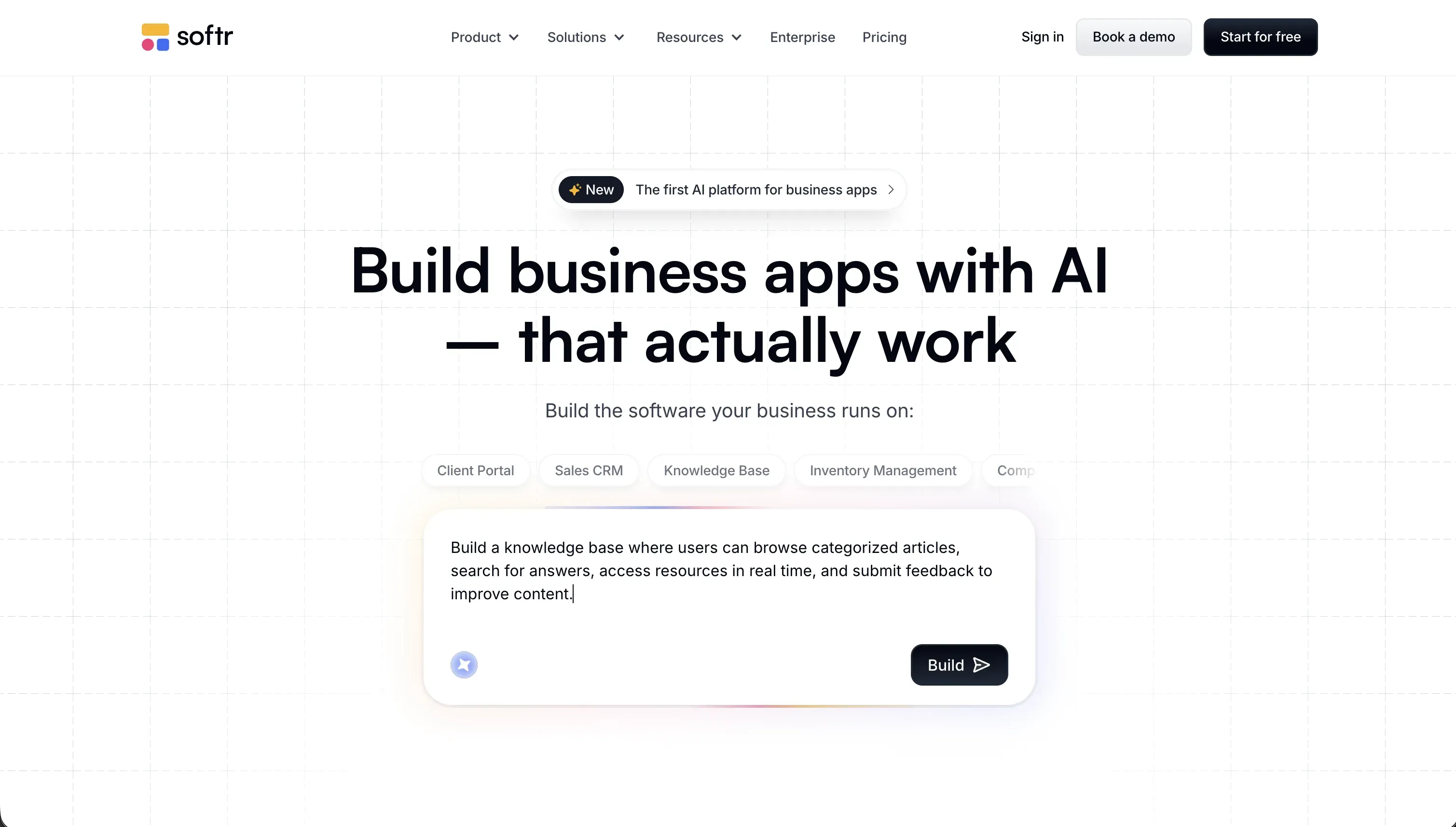
Softr ranks first because it removes the most failure-prone part of AI app delivery: inventing core infrastructure with prompts. Authentication, permissions, user groups, and data connections are platform features you configure visually, not generated code you hope is still understandable later. For agency work, that means fewer hidden regressions and a much cleaner handoff when the client wants small changes after launch.
Its strength for this use case is the split between flexibility and control. You can use the AI builder and custom blocks where needed, while keeping the app’s foundation inside a managed system with predictable behavior. That makes it especially strong for portals, internal business apps, and client-facing operational tools where permissions and maintainability matter more than total code freedom. It is number one because it is the best fit for non-technical client ownership, and the main reason not to pick it is when the project truly needs a fully custom software architecture. Full review.
2. Replit - the code-first pick for technical teams
 Replit homepage snapshot
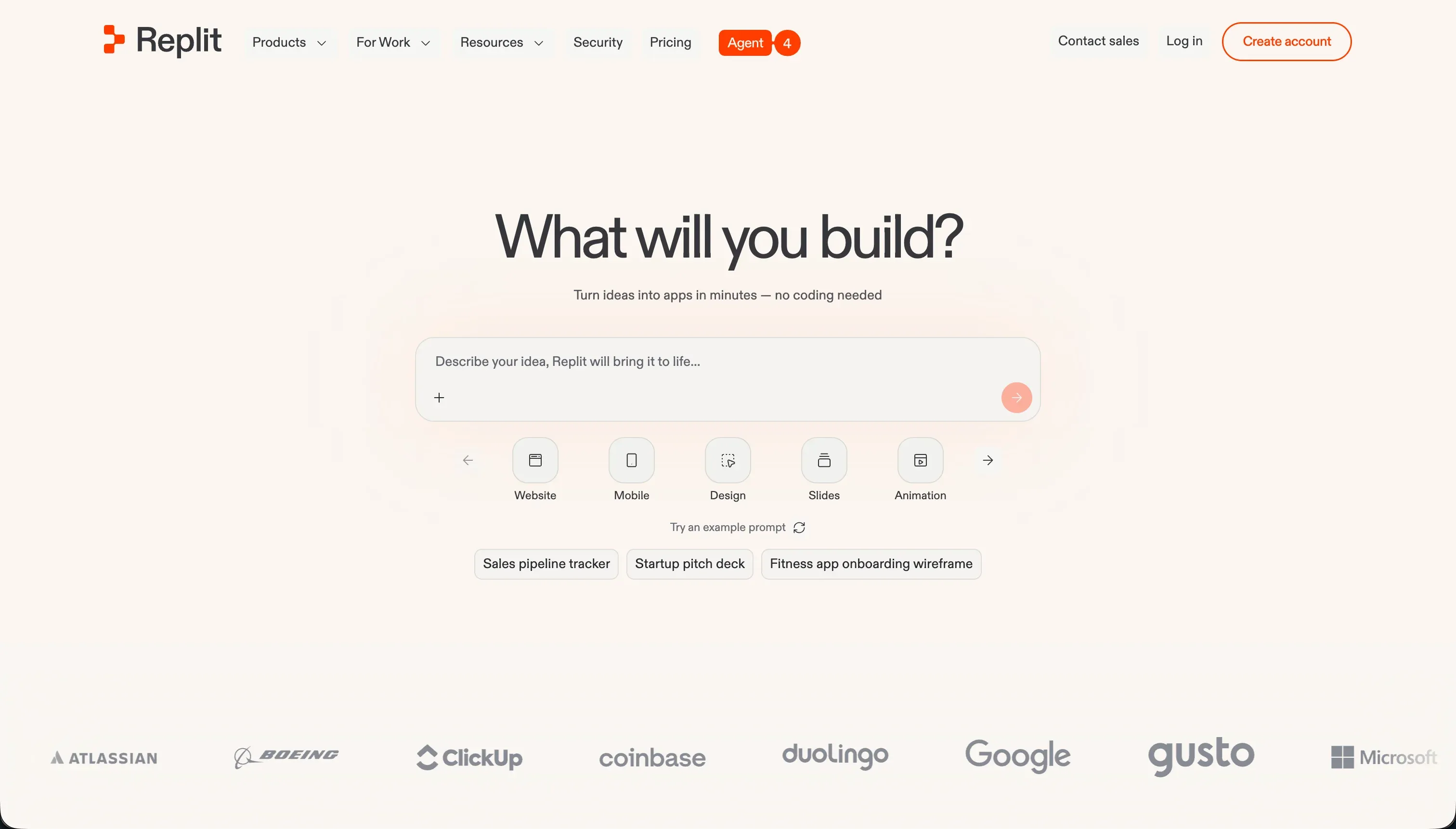
Replit is the strongest option here if your agency actually wants to deliver and maintain custom code. Its agent can scaffold full-stack apps, help debug, and deploy from the same environment, which makes it far more complete than a pure UI generator. For agencies with developers on staff, it can speed up the boring parts of setup without forcing you into a visual platform’s boundaries.
It sits below Softr because the handoff burden is still real. The output is code, which means someone has to maintain dependencies, review security, and manage infra decisions over time. That is fine for technical teams, but it is a worse fit when the client expects low-touch ownership after launch. You gain flexibility by accepting maintenance responsibility, and that tradeoff is why it lands second instead of first. Full review.
3. Cursor - the fastest editor if you already build
 Cursor homepage snapshot
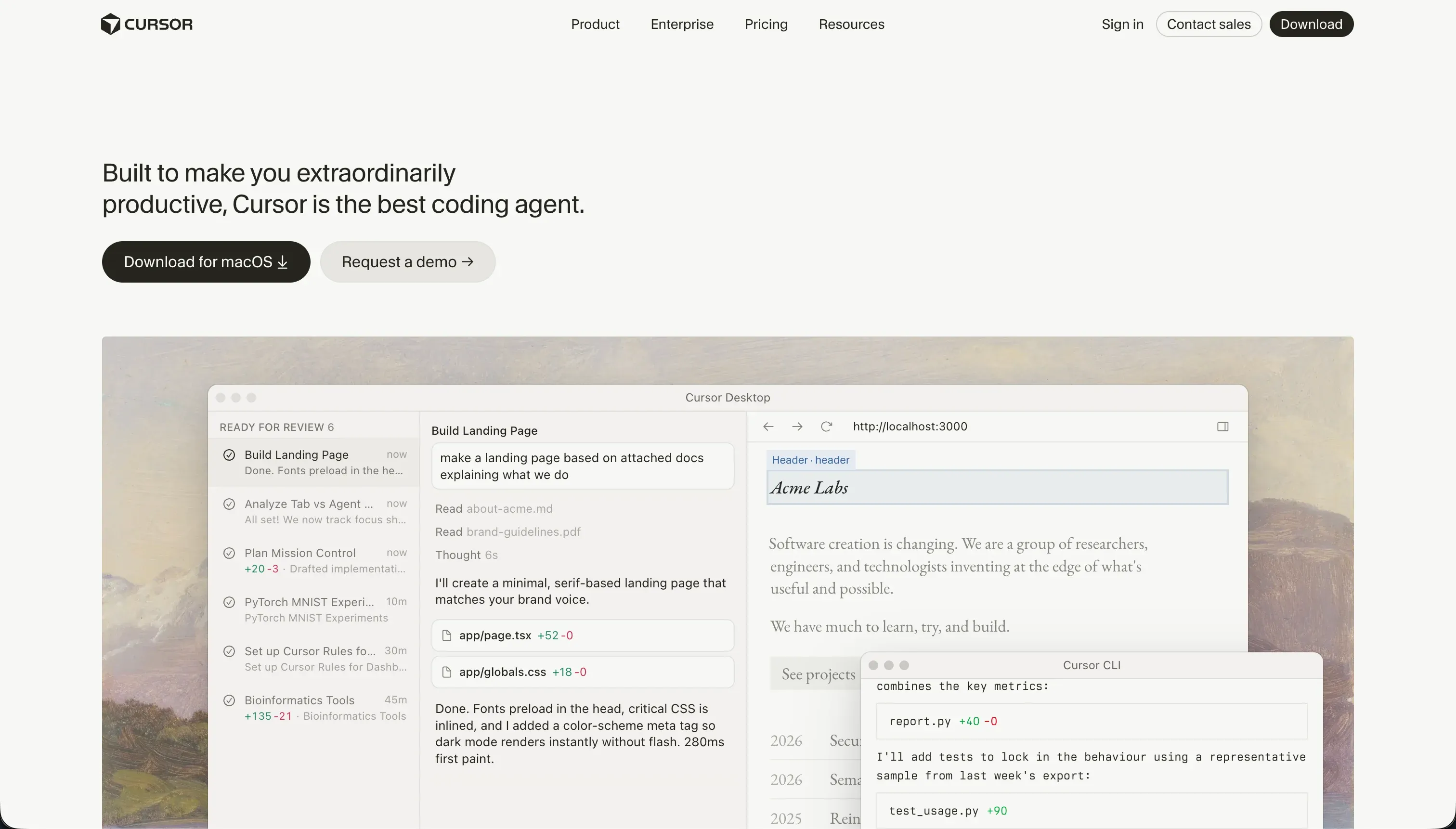
Cursor is best understood as an AI-native developer workspace, not an end-to-end client delivery system. It is very good at multi-file edits, codebase understanding, and speeding up implementation inside normal frameworks. If your agency already has a stack, a deployment pattern, and engineering discipline, Cursor can make your team faster without changing how you ship.
It ranks third because so much of the real work still sits outside the tool. Hosting, auth, database design, secrets, and production hardening are your job. That makes Cursor a strong fit for expert teams, but weak for client handoff where the buyer may need easy post-launch edits or where the agency wants fewer operational moving parts. Great editor does not equal complete product stack. Full review.
4. Bubble - powerful logic, heavier long-term tradeoffs
 Bubble homepage snapshot
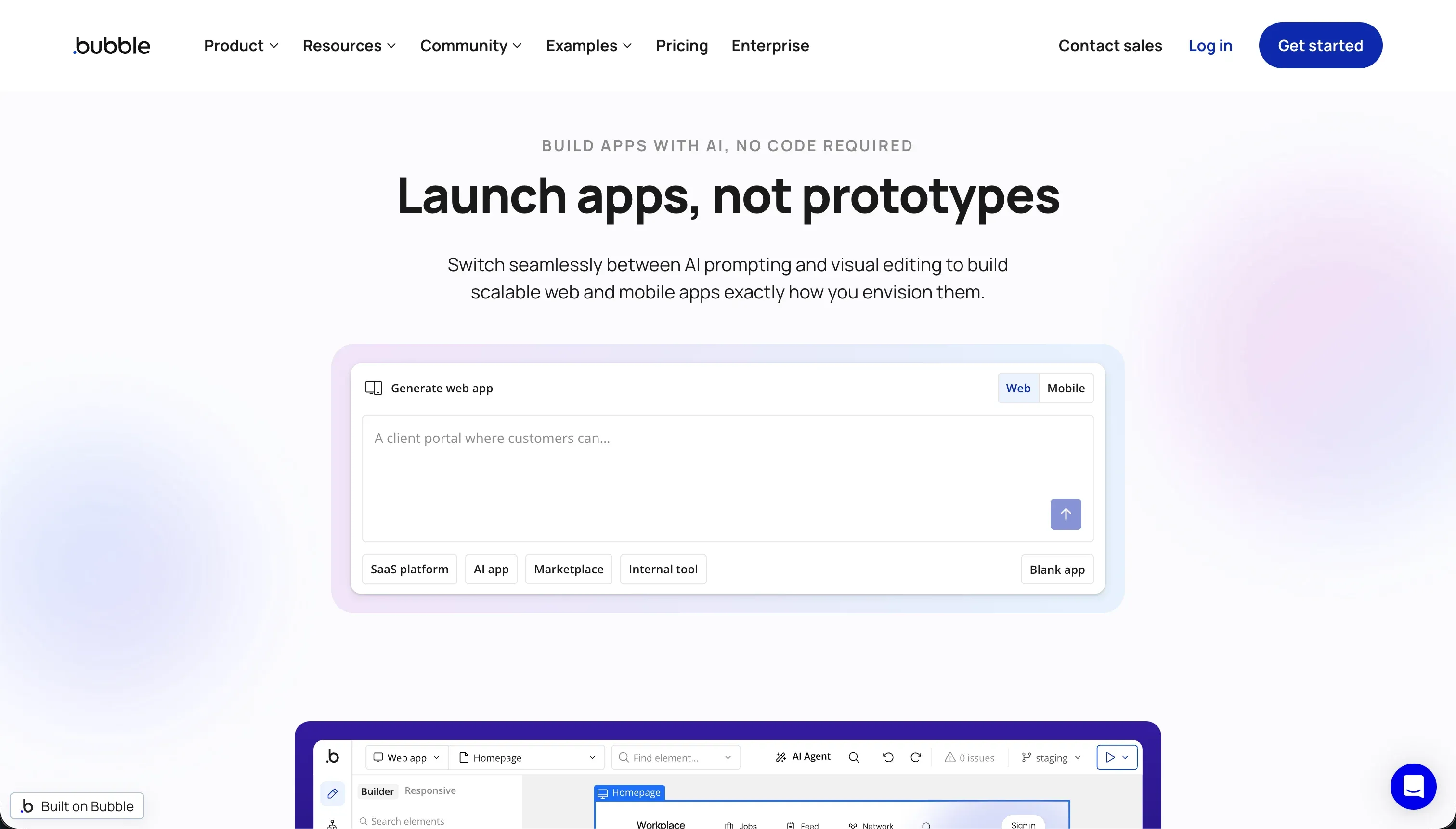
Bubble remains a serious option for agencies building complex visual apps with workflows, relational data, and role-based behavior. It has depth that many newer AI builders still lack, and for certain internal systems or marketplace-style apps, that maturity shows. If the use case needs substantial logic without going fully code-first, Bubble can absolutely get there.
It ranks fourth because the long-term tradeoffs are sharper than the top three. There is no true source code export, the learning curve is real, and cost forecasting can become messy as apps grow. For client work, those are not side issues. They affect whether a project remains commercially healthy after launch. Capability is high, but portability is low, which keeps it out of the top tier for agency handoff. Full review.
5. v0 - best when the frontend is the job
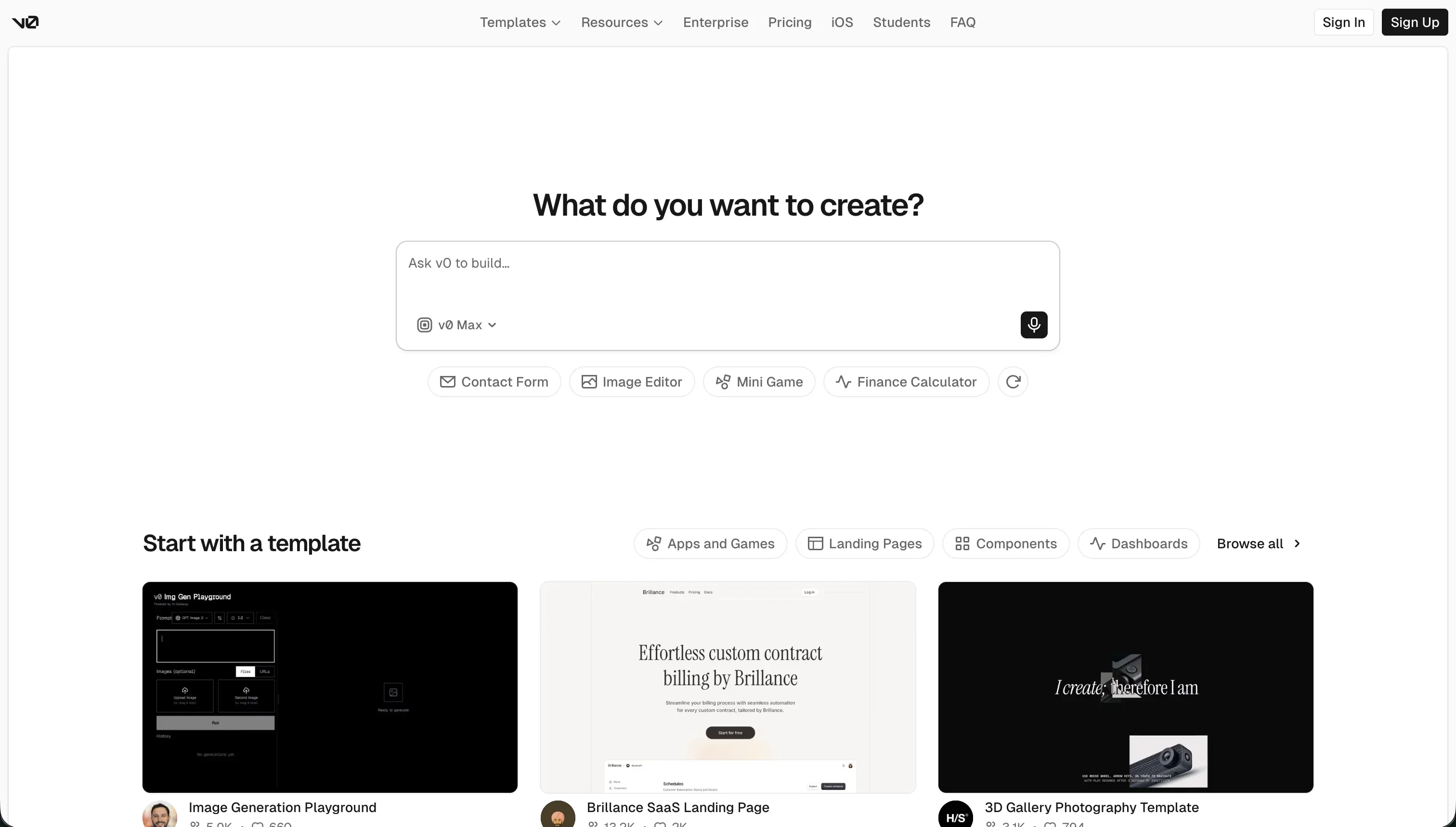 v0 homepage snapshot
v0 is excellent when the immediate need is to turn ideas into polished frontend screens quickly. It produces impressive React and Tailwind output, and that is genuinely useful for agencies pitching concepts, validating UX directions, or accelerating a custom frontend. In that lane, it is one of the strongest tools on the list.
It ranks fifth because this use case is client delivery, not just interface generation. v0 does not solve the backend, permissions, database, or long-term maintenance story by itself. So while the code can fit nicely into a broader workflow, the agency still has to assemble the production system elsewhere. Brilliant UI generation is not enough for full handoff. Full review.
6. Lovable - impressive prototypes with shakier foundations
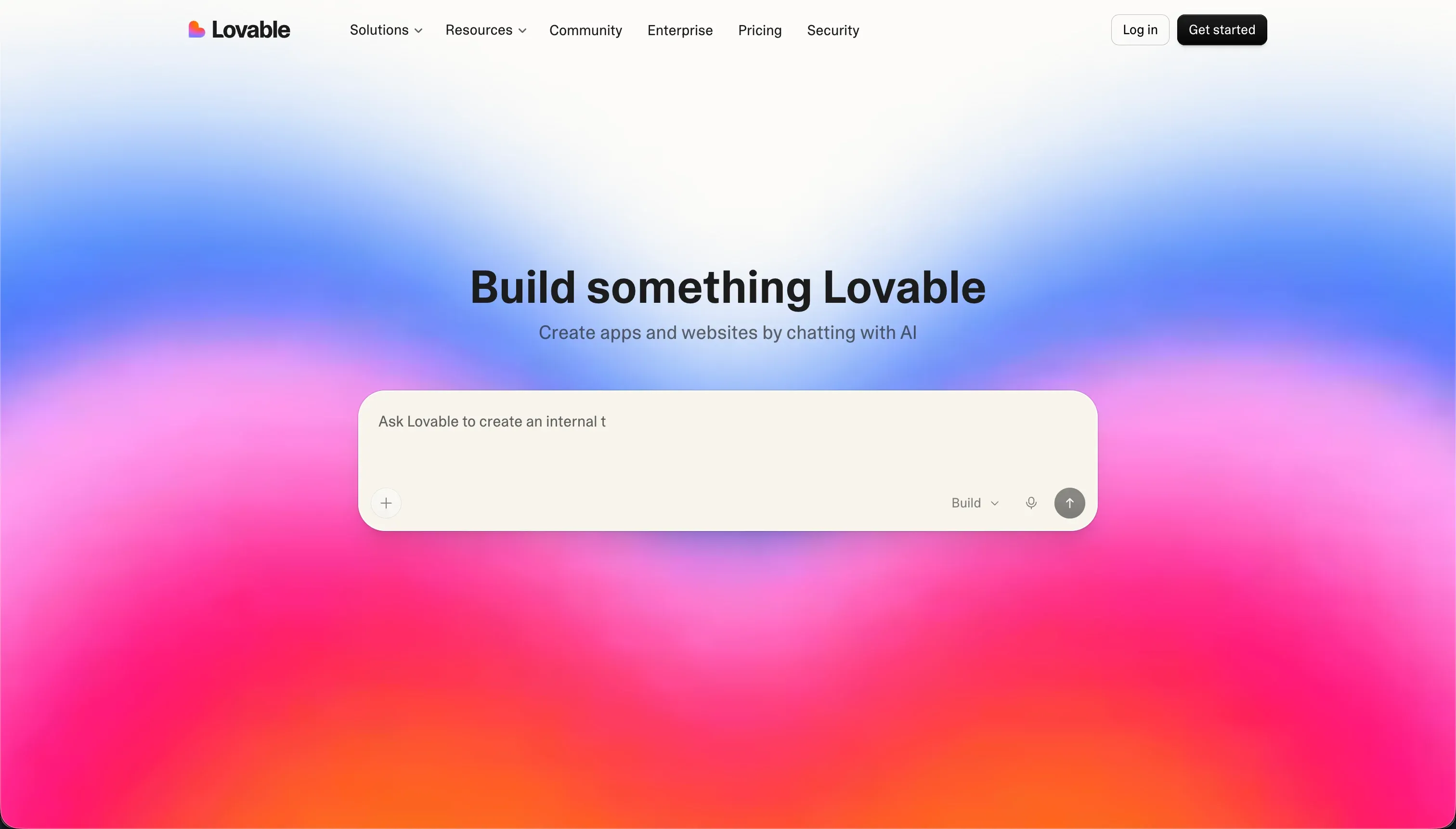 Lovable homepage snapshot
Lovable is very good at creating something impressive very quickly. For agencies trying to win a pitch, validate a product concept, or show momentum in days instead of weeks, that speed matters. It can generate frontend, backend patterns, and database structure fast enough to make a rough concept feel real in front of a client.
The problem is durability. Long-term builders report that letting the AI design the database schema works on day one but turns into “schema debt” by month six, where adding a single field can mean rewriting dozens of workflows, and that platform updates regularly break existing client apps. That makes a prompt-built app harder to trust when clients expect stability. Great for selling the vision, weaker for owning the aftermath, which is why it ranks sixth. Full review.
Also tried: the tools that didn’t make the cut
We also looked at WeWeb and Bolt. WeWeb is capable, but for agency delivery its separate-backend reality adds setup overhead and a more fragmented handoff story than the leaders here. Bolt is quick and appealing in the browser, but it is still a weaker fit for client-ready delivery because the agency must handle too much of the production backend, security, and long-term maintenance outside the tool.
How to pick your agency app builder
Who has to live with this app after launch?
| Your situation | Build on |
|---|---|
| Non-technical client needs to make routine changes | Softr |
| Agency has developers and wants full code ownership | Replit |
| Team already has a mature engineering workflow and wants AI inside the editor | Cursor |
| Project is mostly about frontend speed and presentation | v0 |
A practical test: ask how a client will change permissions, update a workflow, or fix a broken field three months from now. If the honest answer is “they will need us in the codebase,” choose a code-first tool on purpose. If that sounds like a liability, choose the platform that makes those changes visual and testable today.