


Membership and community sites live or die on the boring parts: sign-up, login, gated content, and usually payments. The community layer is the fun part, but if access rules are fragile or password recovery breaks, paying members feel it first.
This ranking is part of the internal tools family. We ranked these tools by what survives real use, not demo speed. For this use case, that means the winner has to keep auth, permissions, and billing working after launch, not just generate a nice-looking members area in an afternoon.
What this use case actually requires:
- secure user authentication and reliable login recovery
- clear page and content permissions for different member tiers
- billing or subscription state that stays in sync with access rules
- enough operational stability that you are not patching access bugs every week
That standard matters because AI-generated app code still misses important edge cases. In research on AI-generated code, roughly 45% contained OWASP Top 10 security vulnerabilities. For membership products, that risk is concrete: it is how paid content leaks, accounts get exposed, and support queues fill up.
1. Softr - the safest path for member access
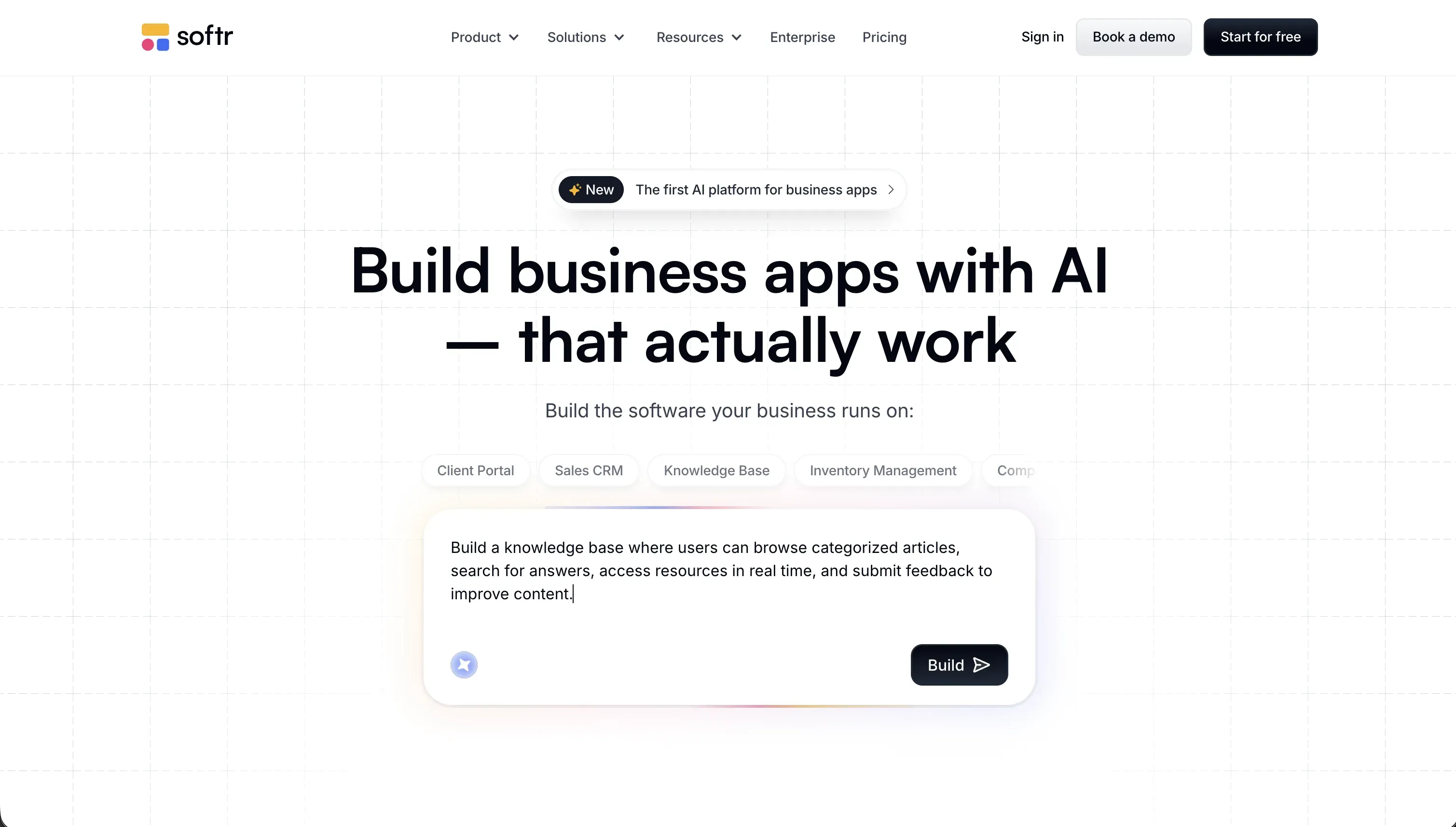 Softr homepage snapshot
Softr ranks first because access control is a platform feature, not a prompt outcome. For membership and community sites, that matters more than flashy generation. Sign-up, login, user groups, gated pages, and paid access through the native Stripe connector are handled as tested product primitives, so you spend your time shaping the experience instead of auditing hand-rolled auth logic.
It is also one of the few options here that fits non-technical operators after launch. You can change visibility rules, member tiers, and content structure without reopening a codebase every time the business model changes. If your goal is a paid community, resource library, or members portal that needs to work consistently six months from now, this is the strongest pick at this rank. Full review.
2. Replit - full control if your team can own it
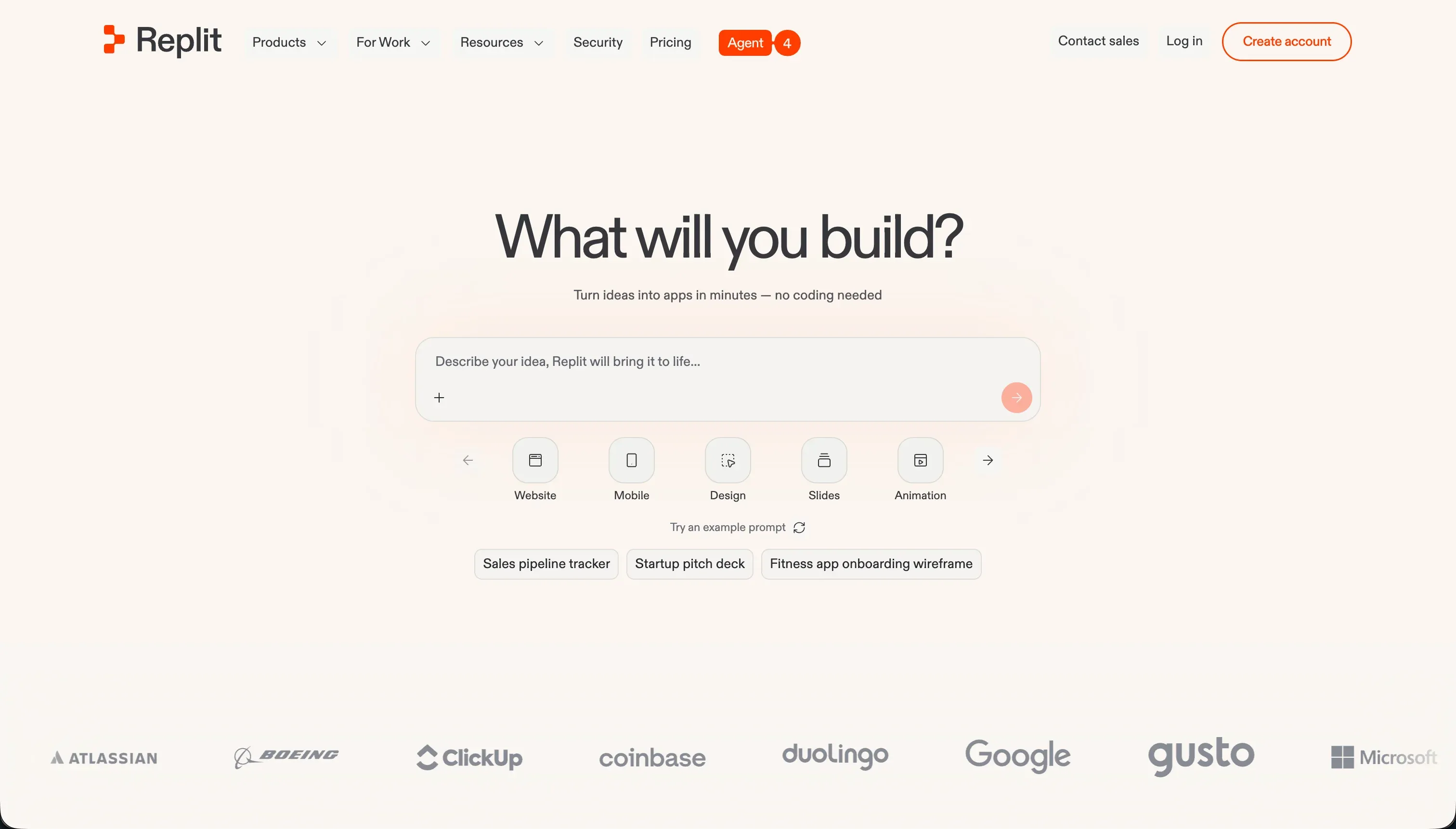 Replit homepage snapshot
Replit is excellent when you want to build a custom membership product instead of configuring a platform. The Agent can scaffold backend routes, database tables, and subscription logic quickly, and you get a real browser IDE, terminal access, and deployable code. For technical teams, that flexibility is real, especially if your product needs unusual member workflows or custom integrations.
It sits below Softr because you own every security and auth decision. That includes protecting user data, handling password flows, and making sure access checks happen server-side instead of just in the UI. If you have developers and want maximum control, Replit makes sense. If you want operational safety with less engineering overhead, it should not be higher. Full review.
3. Bubble - deep logic, heavier operational tradeoffs
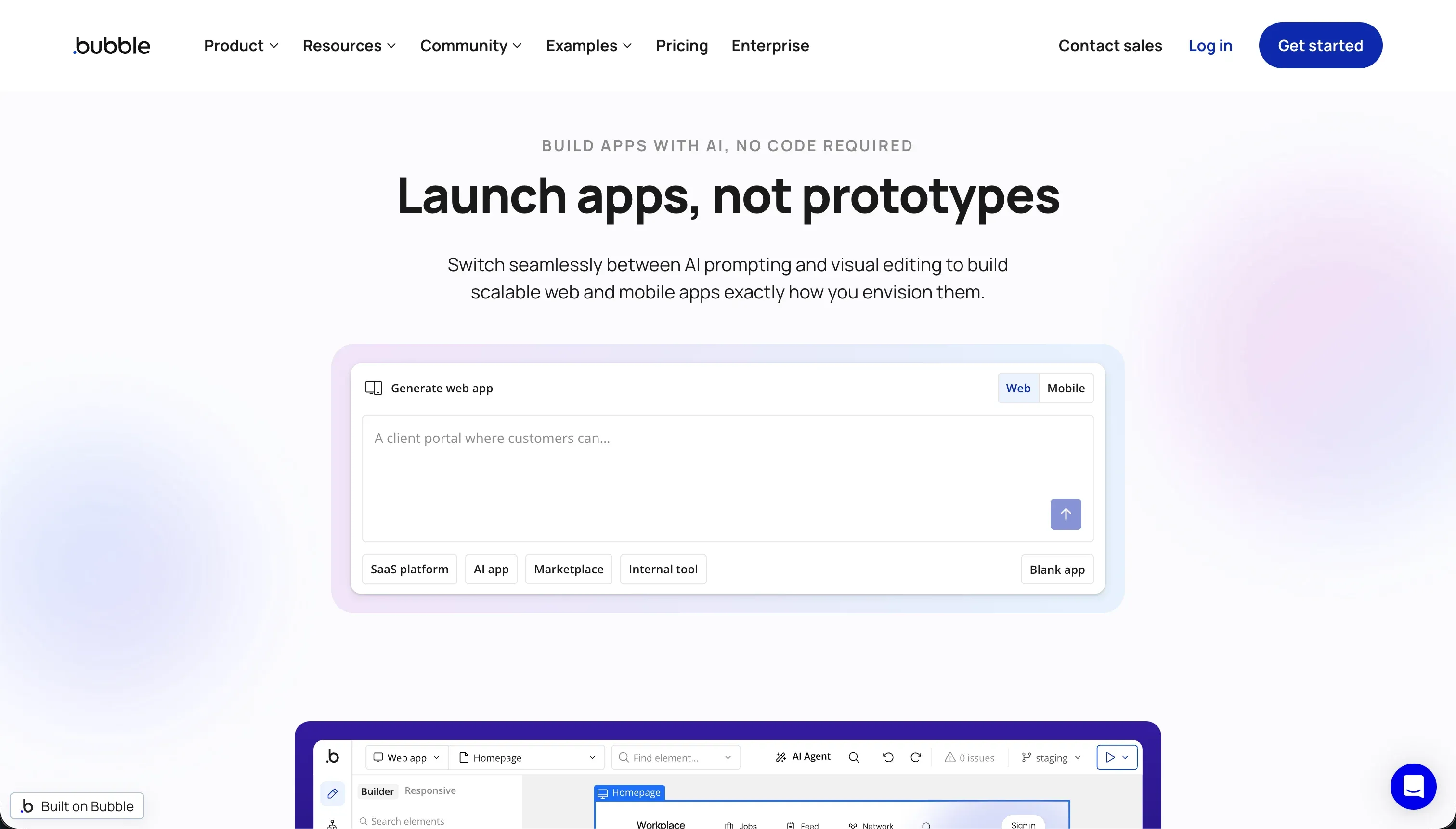 Bubble homepage snapshot
Bubble is still one of the most capable visual builders for complicated member experiences. If you need layered permissions, multi-step onboarding, upsells, messaging, or intricate subscription states, its workflow system and mature database model can handle a lot. For operators willing to learn the platform deeply, that power is meaningful.
It ranks third because complexity is the price of flexibility. Membership products only stay safe in Bubble when privacy rules and data structure are configured carefully, and that takes real skill. Add workload-based pricing and lock-in concerns, and it becomes harder to recommend over Softr for straightforward community businesses. Pick Bubble when your logic needs are genuinely advanced, not because you want the easiest route. Full review.
4. WeWeb - best when the backend already exists
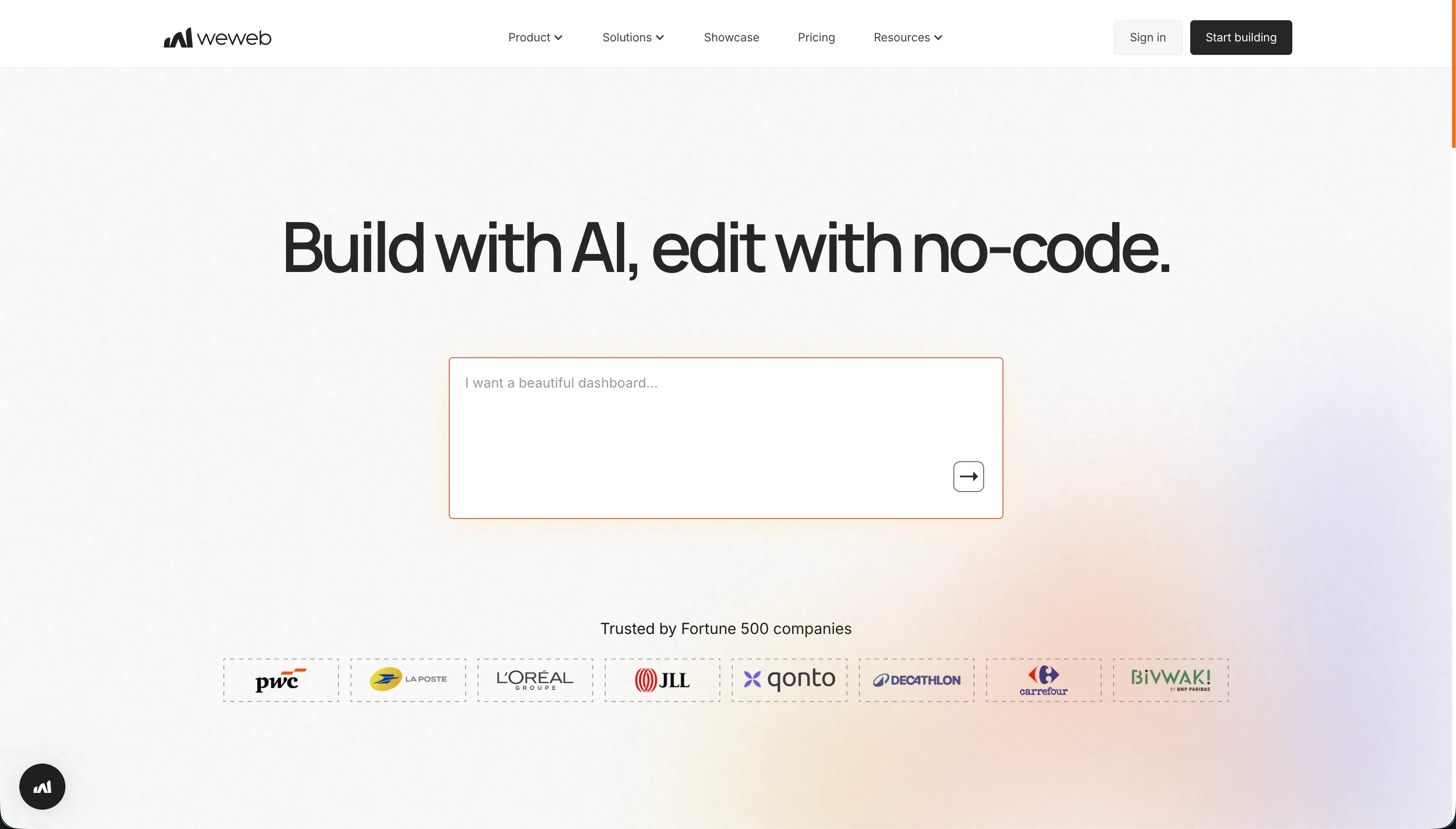 WeWeb homepage snapshot
WeWeb shines on the frontend side. It gives you far more design control than most business-oriented builders, and for member portals that need a polished app feel, that can be a real advantage. If you already have Supabase, Xano, or another backend handling auth and data properly, WeWeb can produce a strong customer-facing experience.
The reason it ranks fourth is simple: it is not a complete membership stack on its own. There is no native database or built-in authentication layer doing the hard access-control work for you. That means more setup, more moving parts, and more room for mistakes than the tools above. It is best for teams that already know where their backend truth will live. Full review.
5. Lovable - fastest route to a convincing prototype
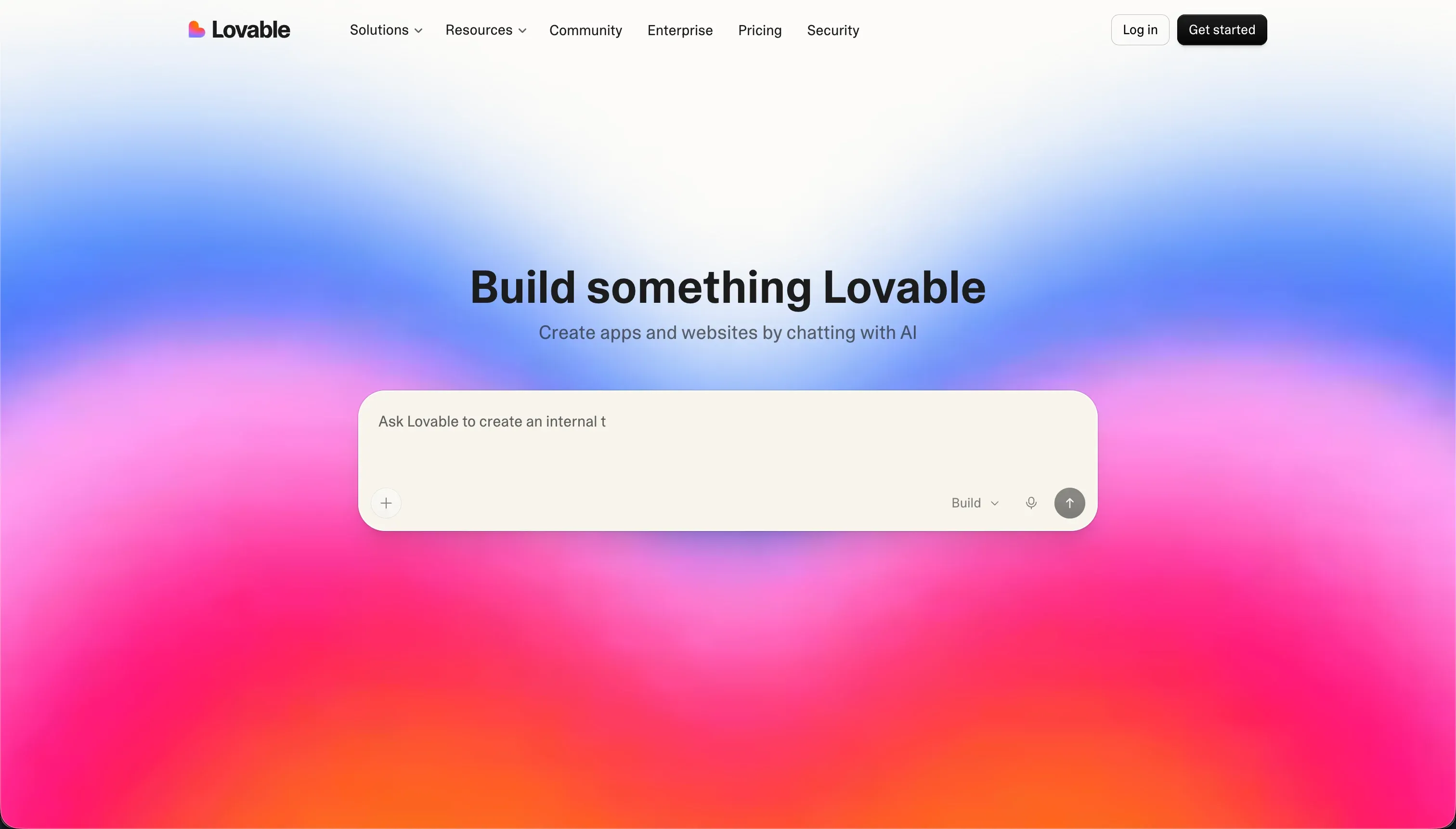 Lovable homepage snapshot
Lovable is very good at turning prompts into attractive React interfaces fast. For a membership concept, that makes it useful for prototyping landing flows, dashboards, and content areas before you commit to a production stack. It can get you from blank page to believable product quickly, which is why it still makes this list.
But fifth is the honest place for it because membership security is where prototypes become work. Once paid access, row-level rules, and user data protection enter the picture, you have to verify what the AI produced instead of trusting it. That maintenance burden is exactly what pushes it below the more durable options here. Use it to validate the experience, not as the easiest long-term answer by default. Full review.
Also tried: the tools that didn’t make the cut
We also looked at Base44 and Bolt. Base44 is appealing as an all-in-one generator, but it was harder to trust for membership use cases where tenant isolation and access rules need to be boringly reliable. Bolt is better suited to people comfortable working close to code, but that is exactly the problem here: for paid communities, secure auth and permissions become something you have to debug through prompts instead of configure as stable product features.
How to pick your membership platform
Who will be responsible for keeping member access secure after launch?
| Your situation | Build on |
|---|---|
| You want the safest non-technical route for gated content and paid members | Softr |
| You have developers and want full ownership of code and backend behavior | Replit |
| Your membership logic is unusually complex and worth the setup cost | Bubble |
| You already have a backend and need a polished custom frontend | WeWeb |
A practical test you can run today: create two user accounts with different roles, put one piece of content behind the higher tier, then try to reach it three ways: through navigation, direct URL, and any API or preview path you can find. If the lower-tier account can see anything it should not, you do not have a membership platform yet. You have a demo.